
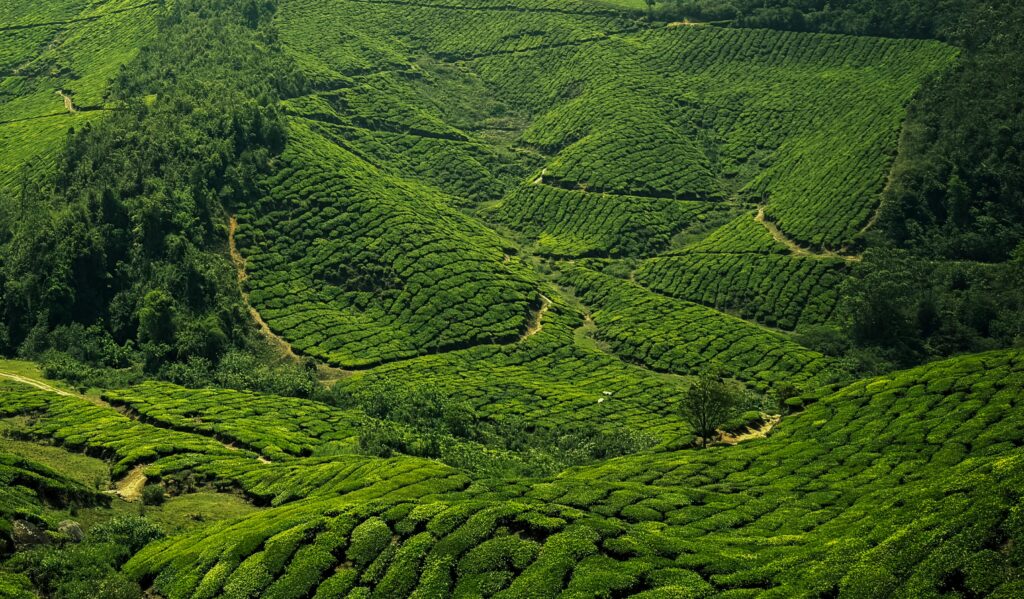
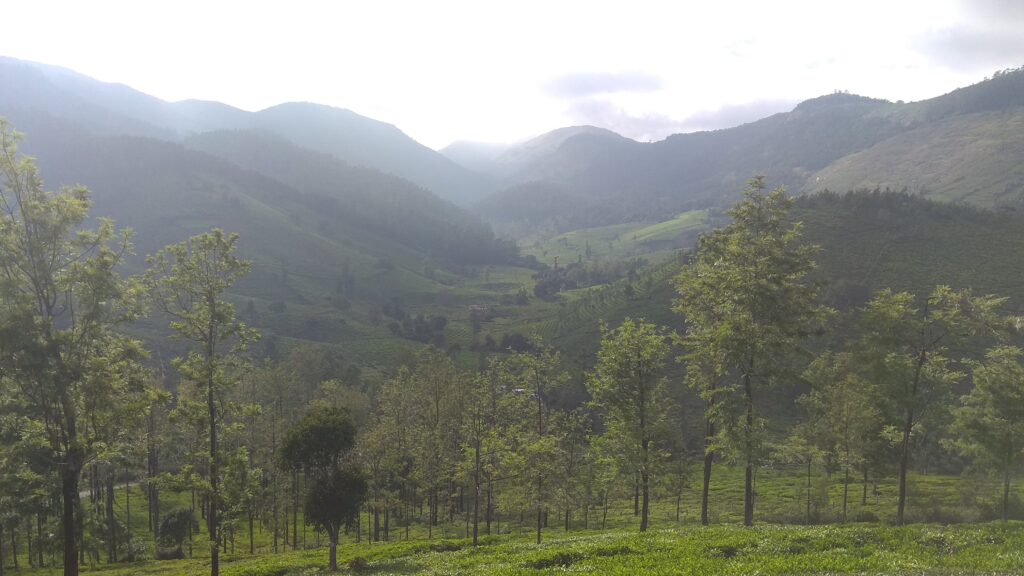
The tea industry in the Nilgiris district of Tamil Nadu represents one of the most significant agricultural transformations in the history of South India. Known colloquially as the “Blue Mountains,” the Nilgiris plateau rises as a geographical marvel within the Western Ghats, providing a unique ecological niche that differs fundamentally from the tea-growing regions of Northeast India and the Himalayas. While the global tea market has historically prioritized the bold maltiness of Assam and the delicate muscatel of Darjeeling, Nilgiri tea has emerged as a distinct “third pillar” of Indian viticulture, characterized by a brisk, floral profile and a year-round harvesting cycle. The transition from a coffee-dominated landscape in the mid-19th century to a region defined by over 65,000 small tea growers is a narrative of colonial experimentation, biological catastrophe, and socio-economic resilience.
The inception of tea cultivation in the Nilgiris was not a product of immediate commercial success but rather a series of experimental initiatives facilitated by the British East India Company and individual botanical enthusiasts. Before the establishment of the first plantations in the Nilgiris, tea was primarily a Chinese monopoly. The British East India Company started trading with China in large quantities in 1669, but tea remained a scarce and expensive luxury until the early 19th century. The quest to break the Chinese monopoly led to the discovery of indigenous tea plants in Assam in the early 1820s, traditionally brewed by the Singpho people
In the southern peninsula, the first experiments were less focused on industrial scale and more on acclimatization. In 1780, Robert Kyd experimented with tea cultivation in India, followed by interests from Warren Hastings. However, the Nilgiris specifically came into focus in 1823 when Sir Joseph Banks suggested the region for cultivation. It was John Sullivan, the collector of Coimbatore, who fundamentally altered the region’s destiny. In 1832, Sullivan, with the assistance of Monsieur Perrottet, planted the first tea seeds in the Nilgiris. This was followed by a government-appointed committee in 1834 tasked with submitting plans for the formal introduction of tea culture in India.
| Year | Milestone Event | Historical Significance |
|---|---|---|
| 1780 | Robert Kyd's Experiments | Initial botanical trials for Indian tea cultivation. |
| 1823 | Sir Joseph Banks' Proposal | First suggestion of Nilgiris as a viable tea-growing region. |
| 1832 | Sullivan’s First Planting | The actual arrival of tea seeds in the Blue Mountains. |
| 1834 | Tea Committee Formation | Lord Bentinck's official move to introduce Chinese tea to India. |
| 1840 | First Coffee Manor | Established at Kotagiri, marking the start of the "Coffee Era". |
| 1859 | Commercial Tea Estates | The transition from experimental plots to commercial viability. |
| 1863 | First Tea Plantation | Formally opened by the daughter of M.D. Cockburn. |
| 1869 | Arrival of Hemileia vastatrix | Fungal blight starts the collapse of the coffee industry. |
| 1922 | United Nilgiri Tea Estates | Robert Stanes founds one of the region's largest holdings. |
| 1965 | INDCOSERVE Established | Government support for small growers begins. |
| 2008 | Geographical Indication (GI) | Official legal protection for the "Nilgiri Tea" name. |
The mid-19th century was marked by “uphill work” for pioneers like James Ouchterlony, who established coffee estates in the Gudalur region. Coffee was the cornerstone of the colonial economy for decades, with the Ouchterlony Valley becoming a sprawling center for Coffea arabica. However, the economic stability of the region was precarious, relying on a single crop that would soon face a biological existential threat.
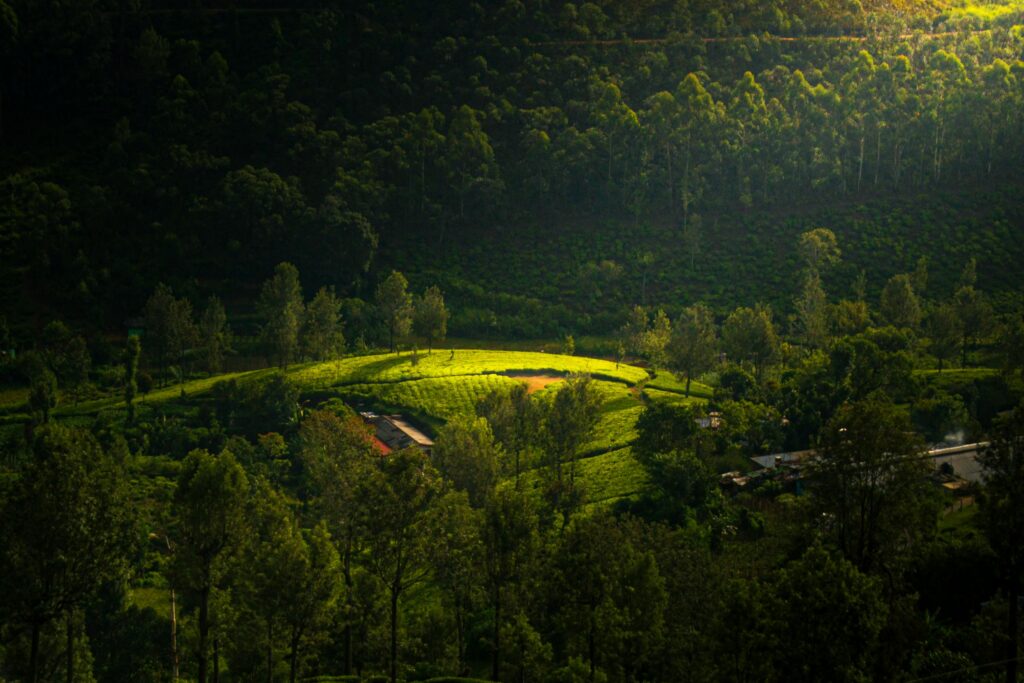
The transition from coffee to tea in the Nilgiris was not a choice driven solely by market preference but a desperate response to one of the most devastating fungal epidemics in agricultural history. The pathogen Hemileia vastatrix , commonly known as coffee leaf rust, was first reported in 1861 in East Africa and reached Ceylon (modern-day Sri Lanka) by 1867. Within ten years, the disease decimated coffee production across the island and soon crossed the waters to the Nilgiris
The biological mechanism of Hemileia vastatrix was insidious. The fungus appears as small, pale yellow spots on the upper surfaces of the leaves, which gradually develop into orange urediniospore masses on the undersurfaces. These spores effectively block the stomata of the coffee plant, leading to premature leaf fall, reduced fruit production, and the eventual death of the tree. The impact on Java and Ceylon was catastrophic; in Ceylon, coffee exports fell from 100 million pounds in 1870 to just 5 million pounds by 1889.
The biological mechanism of Hemileia vastatrix was insidious. The fungus appears as small, pale yellow spots on the upper surfaces of the leaves, which gradually develop into orange urediniospore masses on the undersurfaces. These spores effectively block the stomata of the coffee plant, leading to premature leaf fall, reduced fruit production, and the eventual death of the tree. The impact on Java and Ceylon was catastrophic; in Ceylon, coffee exports fell from 100 million pounds in 1870 to just 5 million pounds by 1889.
The unique sensory profile of Nilgiri tea—characterized by its brightness, floral lift, and lack of bitterness—is a direct result of its high-altitude terroir. The Nilgiri hills are a geographical marvel, catching rain from both the southwest and northeast monsoons, which provides a year-round hydration cycle that eliminates the harsh “dormant” periods seen in Darjeeling or Assam.
The elevation of Nilgiri tea gardens ranges from 1,000 meters to over 2,500 meters (roughly 8,200 feet), placing them among the highest grown teas in the world. At these heights, several physiological changes occur in the Camellia sinensis plant.
The “Blue Mountains” name refers to the blue haze that often envelops the hills, a result of the unique atmospheric conditions and the presence of the Strobilanthes kunthiana (Neelakurinji) flowers that bloom every twelve years. The region receives rainfall from the Southwest Monsoon (June–September) and the Northeast Monsoon (October–November).
| Season | Timeframe | Impact on Tea Production |
|---|---|---|
| Southwest Monsoon | June – September | Rapid growth: High moisture leads to fast leaf expansion, resulting in a milder and more dilute flavor. |
| Northeast Monsoon | October – November | High yields: Continued growth patterns provide a steady harvest with consistent quality. |
| Dry "Quality" Season | December – March | Aromatic concentration: Slow growth during cool, dry months concentrates essential oils, producing the most fragrant and prized leaves. |
The soil profile also plays a crucial role. The hillsides are covered in lateritic loam, which is naturally acidic and well-drained—essential for Camellia sinensis to thrive. Furthermore, the introduction of eucalyptus and blue gum trees by the British has influenced the local ecosystem. Many experts believe these neighboring plants subtly impact the tea through the soil, contributing a “minty-fresh” quality to the leaves.
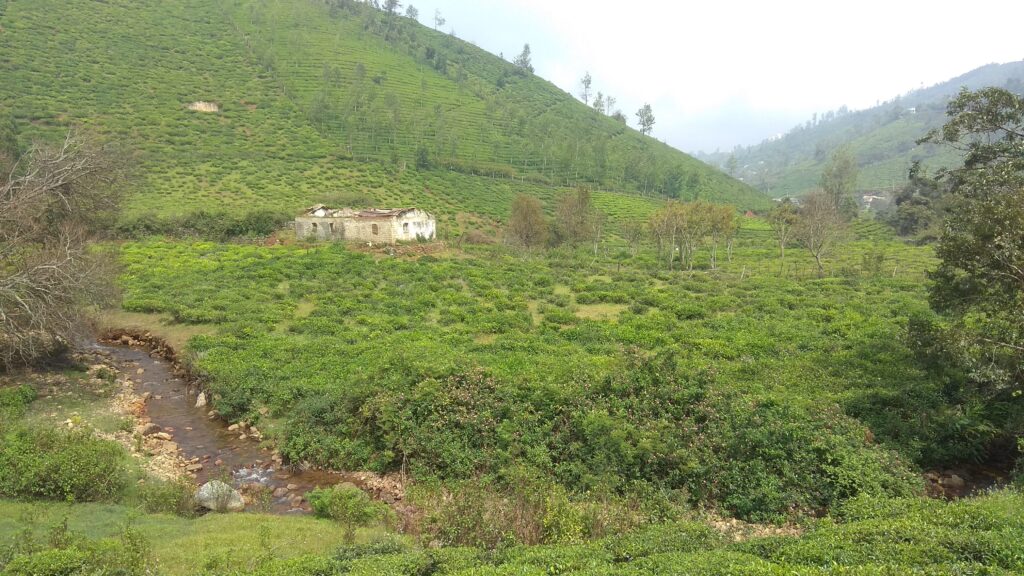
While the Nilgiris produces tea throughout the year, the pinnacle of its production is the winter “Frost Tea.” Produced between late January and early February, this specialty arises when extreme cold winter nights (5–12°C) and warmer daytime temperatures create a low-humidity environment. This “cold shock” triggers a defense mechanism in the tea leaf, concentrating sweet, floral aromatic compounds.
The result is a tea of extraordinary intensity often compared to premium Darjeeling first flush, but with the characteristic Nilgiri smoothness. Frost tea is rare and highly prized, selling for premium prices at auctions. Beyond frost tea, the region has expanded into specialty orthodox varieties, representing about 20% of regional production. Unlike the machine-driven CTC (Crush, Tear, Curl) method, orthodox processing involves careful withering for 16-20 hours and gentle rolling to preserve the whole leaf and its essential oils.
| Processing Type | Market Share | Sensory Characteristics | Best Use |
|---|---|---|---|
| CTC (Crush, Tear, Curl) | ~80% | Strong, robust, quick brewing, deep color. | Traditional masala chai, breakfast tea. |
| Orthodox | ~20% | Golden-amber, floral, citrusy, smooth finish. | Plain sipping, specialty gourmet markets. |
| Specialty (Green / White / Oolong) | Niche | Naturally smooth, high antioxidants, low astringency. | Wellness, premium tea boutiques. |
A defining characteristic of the Nilgiri tea industry is its sociological structure. Unlike Assam or Darjeeling, where vast tracts of land are owned by a few large corporate estates, the Nilgiris is dominated by a “bought-leaf” model. There are over 46,000 small growers in the district, the majority of whom belong to the Badaga community.
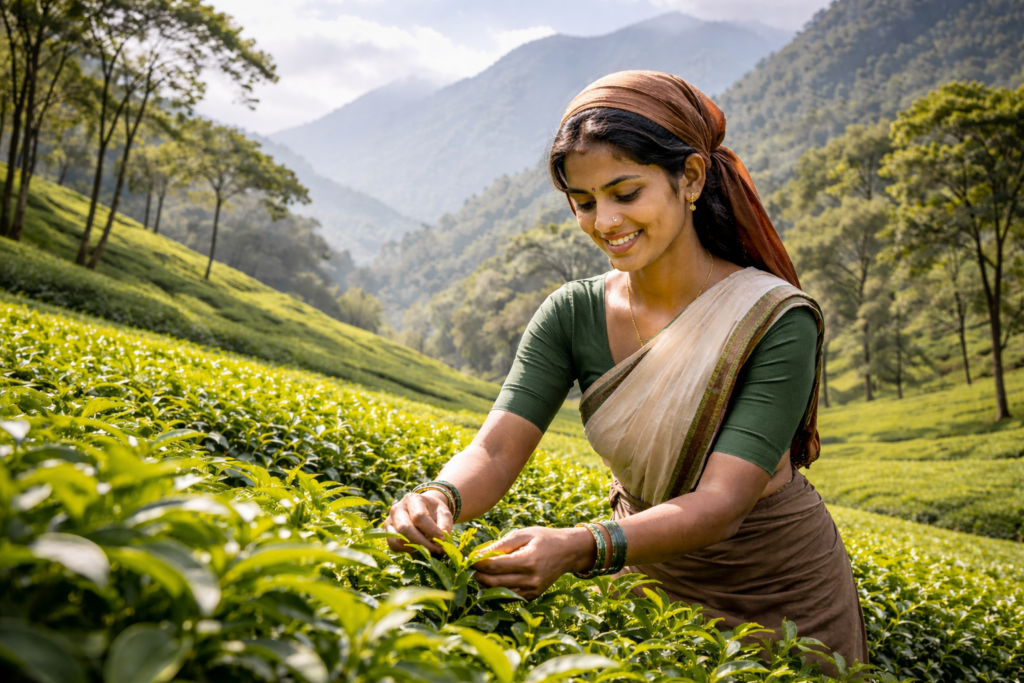
The Badagas (meaning “northerners”) migrated from the southern Mysore province in the decades following the collapse of the Vijayanagar Empire in 1565. Traditionally agriculturalists, they formed a complex symbiosis with the indigenous Toda (pastoralists), Kota (artisans), and Kurumba (sorcerers and food gatherers) tribes. The Badagas were historically adept at clearing rocks and irregularities to render land cultivable, a skill they applied to tea as the crop replaced millet and potatoes in the early 20th century.
The smallholder model grants these farmers a unique position. Because they own the land, they are not solely reliant on tea and can practice intercropping with food crops and native species, which maintains soil richness. However, this model faces challenges in consistency; when thousands of different farmers supply a single “bought-leaf” factory, maintaining uniform quality standards becomes difficult.
To protect small growers from the fluctuations of the auction market, the Government of Tamil Nadu established INDCOSERVE in 1965. As India’s largest tea cooperative federation, INDCOSERVE works with approximately 30,000 small farmers and manages 16 factories. Initially, these cooperatives were seen as low-quality government institutions, but recent professionalization under managing director Supriya Sahu has infused the organization with better branding, packaging, and certifications
INDCOSERVE has achieved “Fairtrade” and “Trustea” certifications, ensuring that buyers pay a minimum price and premium to producers while maintaining environmental and social standards. Furthermore, the cooperative is piloting solar-powered factories in partnership with the Tamil Nadu Energy Development Agency to reduce the carbon footprint of production.
The economic history of Nilgiri tea is inextricably linked to the Soviet Union. For much of the 20th century, the USSR was the primary buyer of Nilgiri tea, notorious for being lax in quality demands as long as volumes were high. This reliance created a “reputation gap” where Nilgiri tea became synonymous with bulk, low-quality blending components.
The dissolution of the USSR in the 1990s triggered a persistent cost-price crisis for Nilgiri growers. Average auction prices have often remained stagnant while production costs—particularly labor and fertilizer—have skyrocketed. The price received by growers in 1998 was Rs. 69 per kg, but this drastically reduced in subsequent years. Small growers are currently hit hardest, often demanding a Minimum Support Price (MSP) from the government to survive.
| Metric | 2018 Data | 2023 Estimated | Trend Analysis |
|---|---|---|---|
| South India Production | 224 M.Kg | 155.59 M.Kg | Significant decline in total output. |
| Average Auction Price | Rs. 101/kg | Rs. 114.51/kg | Marginal increase vs. rising inflation. |
| Daily Labor Cost | N/A | > Rs. 500 | Drastic increase in operational overhead. |
To combat this, the United Planters’ Association of Southern India (UPASI) is piloting intercropping experiments. The strategy involves planting approximately 23 medicinal plants, such as Ashwagandha and Pippali, along with citrus fruits like oranges and limes. These crops provide the “filtered shade” tea requires while offering secondary income streams.
For those looking to move beyond the commercial brew, the Nilgiris offers some of the most immersive tea tourism experiences in Asia. Whether starting a road trip from Chennai or arriving via the Nilgiri Mountain Railway (a UNESCO World Heritage site), the journey into the hills is a sensory awakening.
| Ghat Road | Number of Hairpin Bends | Features and Constraints |
|---|---|---|
| Coonoor Ghat | 14 | Most traveled; wide roads but prone to landslides. |
| Sigur (Kalhatti) Ghat | 36 | Short-cut from Mudumalai; extremely steep; night closure. |
| Kotagiri Ghat | 4 | Oldest route; scenic valley views; less steep. |
| Manjur Ghat | 48 | Narrowest route; connects Coimbatore via power stations. |
Tea Museum & Factory (Ooty): This is the most “complete” stop for first-time visitors, offering a guided walkthrough from leaf to cup.
Highfield Tea Factory (Coonoor): Offers factory-floor tours and is particularly famous for its masala tea and eucalyptus-infused blends.
Tranquilitea (Coonoor): A boutique gourmet experience rated among the seven best in the world by $Condé$ $Nast$ $Traveller$. It involves 90-minute private tasting sessions led by fourth-generation planter Sandeep Subramani.
Tea Studio (Coonoor): An all-women-run factory that adapts Chinese and Japanese processing techniques to Nilgiri leaves, creating high-end specialty teas that fetch top prices.
Doddabetta Tea Gardens: The highest viewpoint in the district, perfect for capturing the rolling green slopes at sunrise.
The “golden hour” in the Nilgiris—just after sunrise and just before sunset—is essential for capturing the emerald luster of the gardens.
Doddabetta Peak: Arrive by 6:00 AM to catch the first light over the mist. Use a wide-angle lens to capture the vastness.
Pykara Lake: The western exposure over the water creates stunning reflections at sunset. A polarizing filter is recommended to reduce glare.
Dolphin’s Nose: Offers a 180-degree view of the Catherine Falls and the surrounding estates, best visited 30–40 minutes before sunset.
Traditional Harvesters: Some gardens, like the Tea Garden Ooty, allow tourists to dress in traditional harvester costumes for photos, often against the backdrop of working pluckers.
To understand the place of Nilgiri tea in the global pantry, one must compare it to its peers. Nilgiri is often described as sitting in the middle ground between Assam’s robust power and Darjeeling’s delicate complexity.
| Attribute | Nilgiri | Assam | Darjeeling |
|---|---|---|---|
| Aroma | Fresh, clean, faintly floral. | Strong, bread-like, malty. | Delicate, wine-like, muscatel. |
| Color | Bright golden-yellow. | Deep amber to reddish-brown. | Golden, sometimes greenish. |
| Interaction with Milk | Optional; stands up but is best plain. | Designed for milk and sugar. | Not recommended. |
| Tannin Level | Lowest among black teas. | Highest. | Medium. |
| Caffeine Level | 40–60 mg (Medium) | 50–90 mg (Highest) | 30–50 mg (Medium) |
This “low-tannin” profile makes Nilgiri tea particularly forgiving for the home brewer. Accidentally over-steeping a Nilgiri leaf is far less likely to result in the unpleasantly bitter cup that would occur with an Assam or Darjeeling tea.
The Nilgiri tea industry has proven its resilience through over 150 years of agricultural and economic shifts. From the catastrophic coffee blight of 1869 to the market collapse of the 1990s, the region has continuously reinvented itself. Today, the move toward specialty orthodox teas, sustainable intercropping, and high-end tea tourism indicates a shift away from bulk-commodity production and toward a model that values the unique high-altitude terroir of South India.
As the “third pillar” of Indian tea, the Nilgiris offers something neither Darjeeling nor Assam can: a year-round, versatile brew that excels in both hot and iced formats, supported by a sociological structure of small-holding farmers who act as the true custodians of the landscape. For the professional industry and the casual drinker alike, the Blue Mountains represent a successful integration of traditional knowledge, cooperative strength, and modern botanical innovation. By leveraging its GI tag and focusing on quality-first processing, Nilgiri tea is finally bridging the “reputation gap” and establishing itself as one of the world’s premier tea origins.