
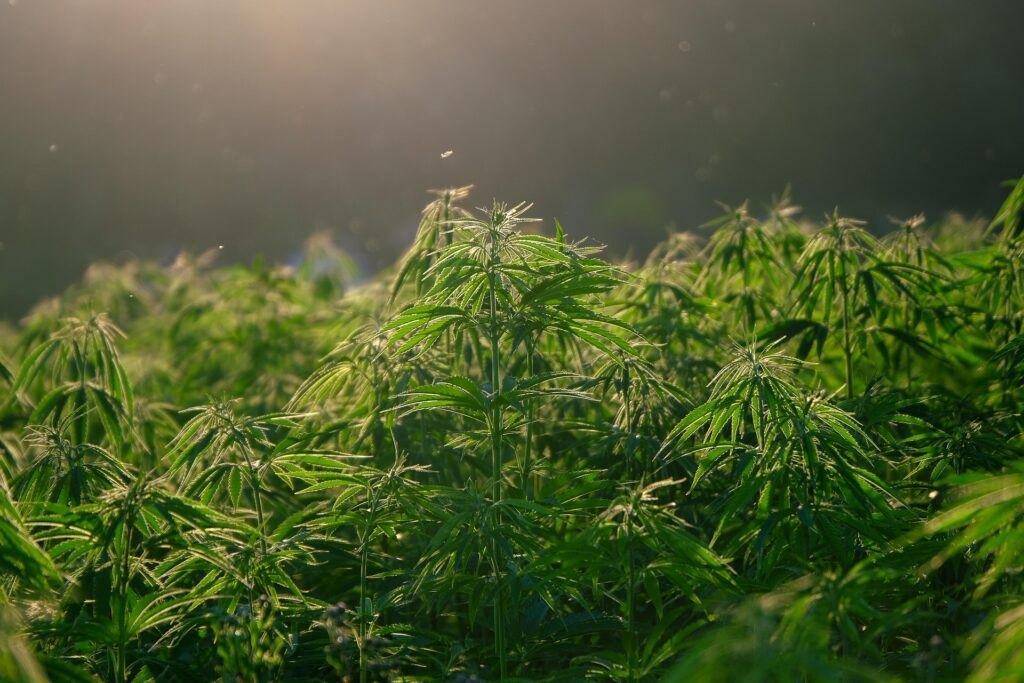
Long before cannabis became a global controversy, it was deeply embedded in the cultural and medical fabric of India. What is now debated in policy circles and startup ecosystems was once part of ritual, medicine, and daily life.
Today, the conversation around Cannabis in India sits at a strange intersection—ancient acceptance, colonial restriction, and modern rediscovery. To understand medical cannabis in India, you have to trace its journey across these layers.
Cannabis wasn’t introduced to India—it evolved with it.
In traditional systems like Ayurveda, cannabis (often referred to as Vijaya) was used in controlled formulations. It appeared in texts describing treatments for:
It was not treated as a recreational escape, but as a regulated medicinal substance, often combined with herbs to balance its effects.
Cannabis also held cultural significance. During Maha Shivaratri and Holi, preparations like bhang were consumed as part of ritualistic practice—not excess, but symbolism.
The British didn’t introduce cannabis to India—but they reshaped how it was viewed.
In 1894, the Indian Hemp Drugs Commission Report conducted one of the most detailed studies on cannabis use in the country. Their conclusion was surprisingly nuanced:
Yet, despite this, regulation tightened—not necessarily for health reasons, but for administrative and taxation control.
from integrated cultural substance → to regulated commodity
The real shift came much later.
Under international pressure, particularly from global drug control frameworks, India enacted the NDPS Act in 1985.
India didn’t ban cannabis completely—it fragmented its legality.
This distinction still defines how cannabis operates in India.
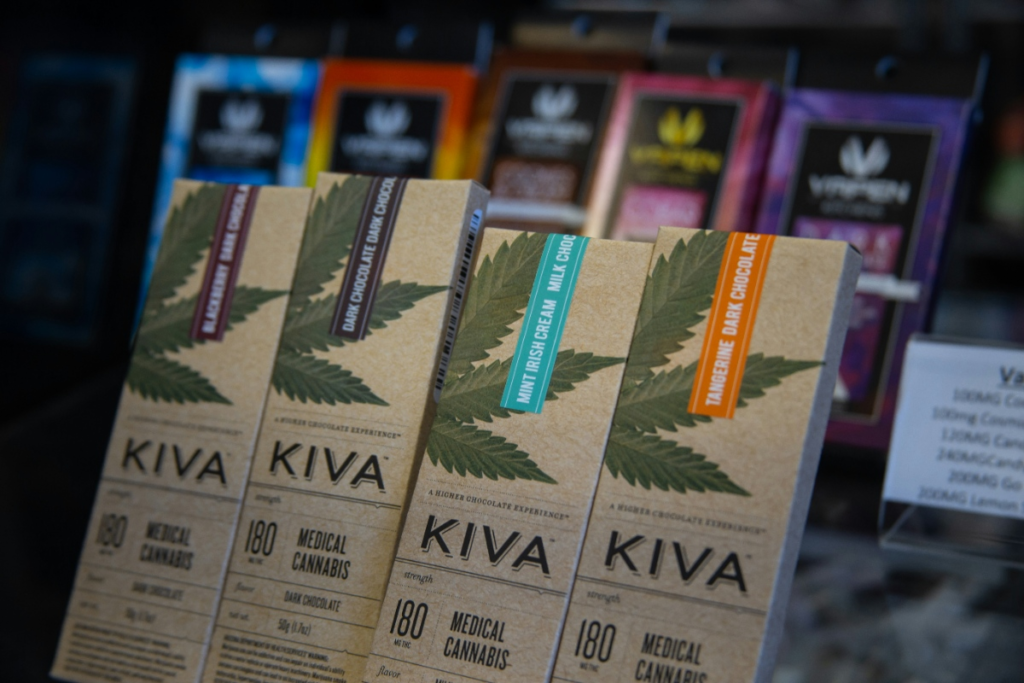
In recent years, cannabis has re-entered the conversation—not through culture, but through science and business.
These compounds interact with the Endocannabinoid System, influencing pain, mood, sleep, and immune response.
But this isn’t a clean comeback.

India never fully rejected cannabis.
A country that historically understood controlled use now struggles to regulate modern misuse.
Cannabis in India is not a new discovery—it’s a forgotten system being rediscovered without its original framework.
It’s whether modern India can relearn how to use it responsibly—without losing science to stigma, or truth to hype.