
| Climate Factor | Details |
|---|---|
| Region | Ooty (Udhagamandalam) and the Nilgiri Hills, Western Ghats, South India |
| Elevation | Approx. 2,240 meters (7,350 ft) above sea level |
| Climate Type | Subtropical Highland Climate |
| Average Summer Temperature | 15°C – 25°C |
| Average Winter Temperature | 5°C – 20°C (occasionally near 0°C with frost) |
| Annual Rainfall | 1,500 mm – 2,500 mm depending on location |
| Main Rainfall Source | Southwest Monsoon and Orographic Rainfall from the Western Ghats |
| Distinct Weather Features | Mountain mist, frost in winter, rapid temperature changes, and microclimates |
| Best Time to Visit | March to June (pleasant summer climate) |
| Location | Elevation | Average Temperature | Rainfall Pattern | Climate Character | Known For |
|---|---|---|---|---|---|
| Ooty (Udhagamandalam) | ~2240 m | 5°C – 25°C | Moderate to Heavy | Cool plateau climate with frequent mist | Tourism, lakes, botanical gardens |
| Coonoor | ~1850 m | 10°C – 28°C | Moderate rainfall | Slightly warmer and sunnier | Tea estates, viewpoints |
| Kotagiri | ~1793 m | 12°C – 28°C | Lower rainfall (rain shadow effect) | Dryer and stable weather | Trekking, tea plantations |
| Gudalur | ~900 m | 18°C – 32°C | Heavy rainfall | Humid tropical hill climate | Dense forests, spice plantations |
The Nilgiri Hills, located in the Western Ghats of southern India, are known for their cool weather, rolling tea plantations, and misty mountain landscapes. Unlike the hot plains of Tamil Nadu, the Nilgiris enjoy a much cooler and wetter climate due to their high elevation and mountain geography.
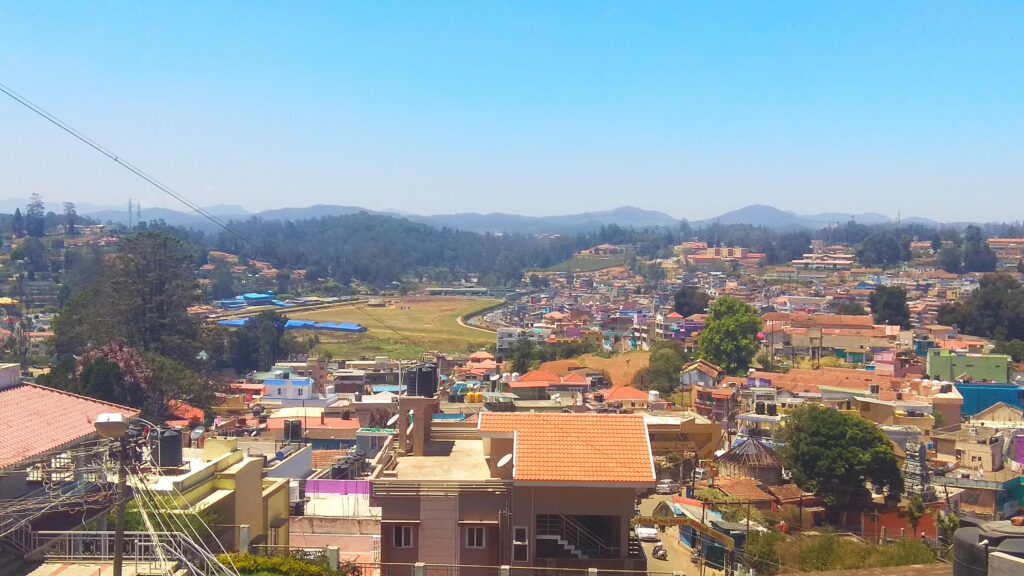
The district headquarters, Ooty (Udhagamandalam), sits at around 2,240 meters above sea level, which significantly lowers temperatures compared to nearby cities such as Coimbatore or Mysore.
Because of this elevation, the region has long been famous as a hill-station retreat, first developed by the British in the 19th century to escape the heat of the plains.
Today, the Nilgiris remain one of India’s most distinctive mountain climates, shaped by altitude, monsoon winds, and the powerful orographic effect of the Western Ghats
The Nilgiris lie at the junction of Tamil Nadu, Kerala, and Karnataka, forming part of the Western Ghats mountain system.
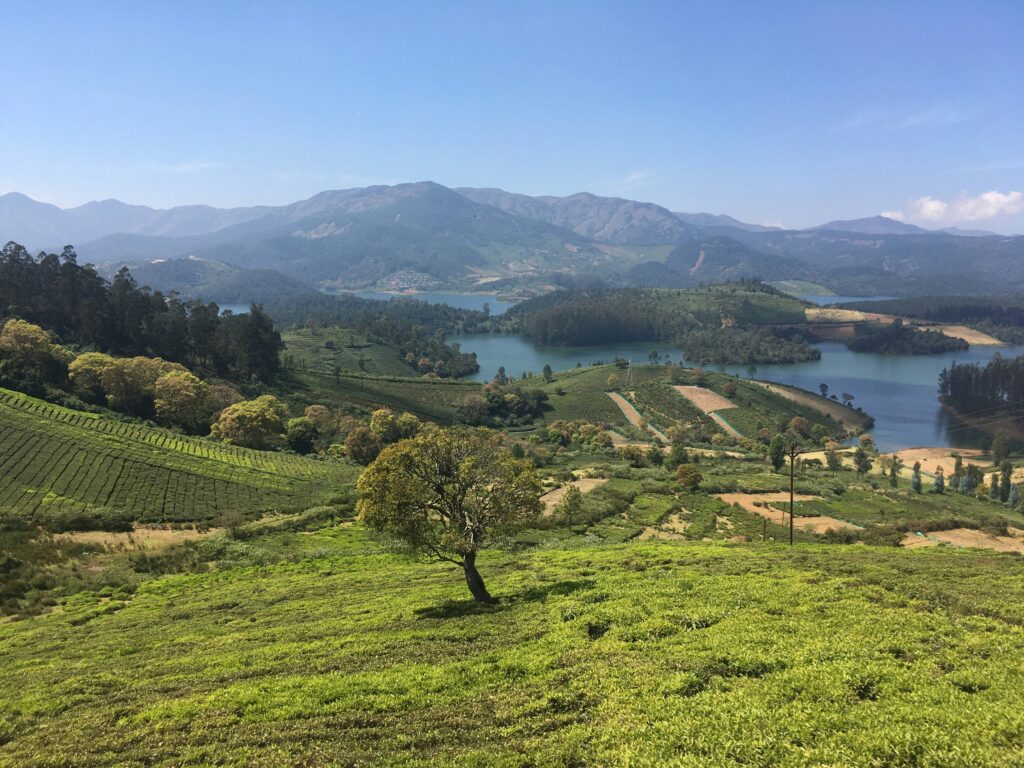
Ooty is located on a high plateau surrounded by deep valleys and rolling hills covered with grasslands and tea plantations
Because temperature decreases with altitude, the Nilgiris experience cooler conditions than the surrounding plains.
This moderate climate is one of the reasons why tea cultivation thrives across the hills.
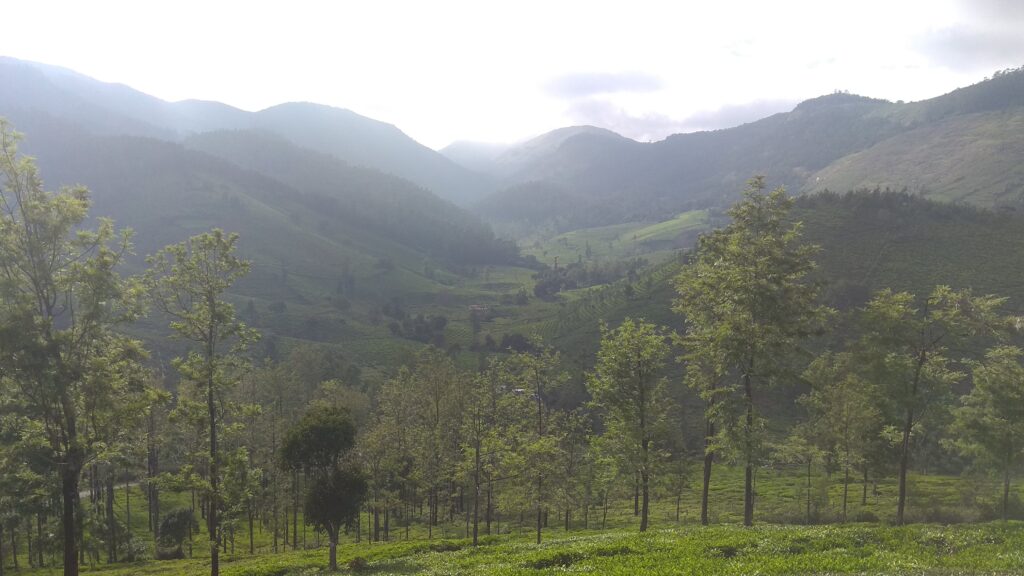
While much of southern India experiences temperatures above 35°C, the Nilgiris remain relatively cool due to their elevation.
This is also the time when Ooty’s famous summer flower show and tourism festivals attract visitors.

The Nilgiris receive significant rainfall during the Southwest Monsoon. Moist winds from the Arabian Sea hit the Western Ghats and rise over the mountains, producing heavy rainfall.
This process is known as orographic rainfall
Some parts of the district receive intense rainfall during this period, and heavy monsoon spells can occasionally trigger landslides in steep areas.
Despite the rain, the monsoon season transforms the Nilgiris into one of the greenest landscapes in South India.
Unlike many hill regions in India, the Nilgiris also receive rainfall from the Northeast Monsoon.
Areas such as Coonoor and Kotagiri receive significant rain during this phase.
The hills are often covered in mist, creating dramatic scenery across tea estates and valleys.

Winter in the Nilgiris is cool and crisp.
Temperatures during this season usually range between 5°C and 20°C, though some locations occasionally experience near-freezing conditions and frost in early mornings.
For many visitors, this is one of the most beautiful times to experience the hills.
One of the most interesting aspects of the Nilgiris climate is the presence of microclimates.
Because the region includes valleys, plateaus, forests, and different elevations, each town can have slightly different weather.
These variations occur because mountains influence wind patterns, rainfall distribution, and sunlight exposure.
Rainfall plays a major role in shaping the landscape and ecology of the Nilgiris.
The district receives rain from both the Southwest and Northeast monsoons, making it one of the wetter regions of Tamil Nadu.
Average annual rainfall in the district is about 1,900 mm
However, intense monsoon spells can occasionally cause landslides and road disruptions in the steep hill terrain.
Together, these factors make the Nilgiris one of the most fascinating climatic regions in southern India.
The best time to visit depends on the kind of experience you want.
Because of its moderate temperatures, the Nilgiris remain a year-round destination.
The climate of the Nilgiris is shaped by altitude, monsoon systems, and the complex geography of the Western Ghats. The result is a region with cool temperatures, frequent mist, heavy rainfall, and diverse microclimates across short distances.
From the sunny summers of Ooty to the misty monsoon landscapes of Coonoor and the humid forests of Gudalur, the Nilgiris offer a climate that is both unique and constantly changing.
Understanding these climatic patterns not only helps visitors plan their trips but also reveals why the Nilgiris remain one of India’s most beautiful mountain regions.